

Being a carer is a rewarding yet demanding role that requires patience, commitment and immense emotional and physical energy. As caregivers, it’s easy to put the needs of the person you’re caring for above your own, but it’s crucial to recognise that regular carer breaks are essential for both your well-being and the quality of care you provide. In fact, taking regular breaks isn’t a luxury; it’s a vital part of maintaining your health and avoiding burnout.
In this blog, we will explore the importance of regular carer breaks, discuss the benefits for both carers and their loved ones and provide practical tips for incorporating these breaks into your caregiving routine.
What is a Caregiver?
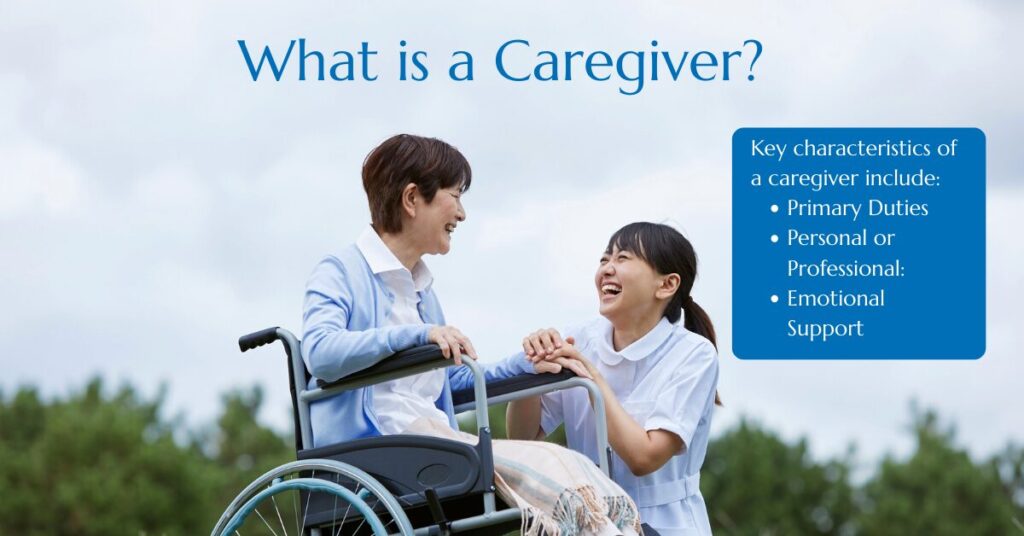
A caregiver is someone who provides care and assistance to a person who is unable to fully care for themselves due to age, illness or disability. Key characteristics of a caregiver include:
- Primary Duties: Helping with daily tasks like feeding, bathing, dressing, medication management and providing emotional support.
- Personal or Professional: Caregivers may be family members or professional care providers, such as nursing homes or home health aides.
- Emotional Support: Beyond physical help, caregivers also offer companionship and emotional care.
Caregivers are integral in improving the quality of life for those they care for, but they must take regular breaks to maintain their own well-being.
Why Regular Carer Breaks are Important?
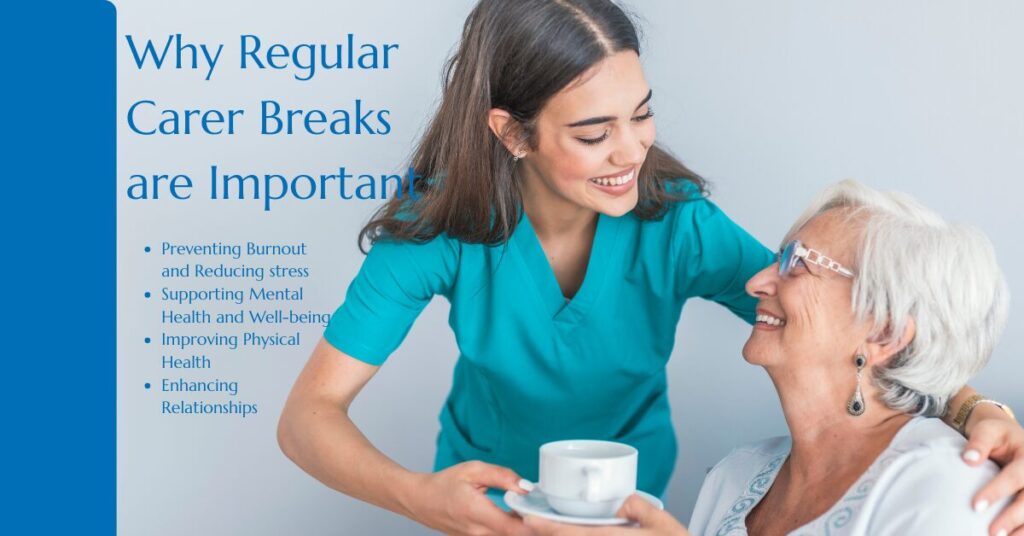
Regular carer breaks are essential for ensuring long-term, effective caregiving. For further independent guidance on respite options and support services, you can refer to the NHS respite care and short breaks information page. Here are the main benefits:
1. Preventing Burnout and Reducing Stress
- Mental Overload: Constant caregiving can cause burnout, leaving carers emotionally drained.
- Breaks help: Taking time off helps to reduce stress and recharge, preventing the adverse effects of prolonged caregiving.
- Health Risks: Without regular breaks, carers risk developing anxiety, depression and other stress-related health issues.
2. Supporting Mental Health and Well-being
- Stress Relief: Carer breaks allow carers to relax, practice self-care and reconnect with their personal interests.
- Hobbies & Socialising: Time off allows carers to enjoy activities they love, reducing anxiety and promoting mental well-being.
- Improved Mood: Stepping away can help to alleviate feelings of isolation and stress, leading to improved emotional health.
3. Improving Physical Health
- Physical Rest: Caregiving often involves physical tasks like lifting, assisting with mobility and providing care. Regular breaks give the body time to recover and prevent injury.
- Preventing Fatigue: Resting ensures you have the energy needed to perform caregiving tasks effectively over time.
- Boosts Stamina: Short breaks can restore your energy and physical stamina, making it easier to continue providing care.
4. Enhancing Relationships
- Reconnecting: Taking breaks helps you nurture personal relationships with friends and family, preventing feelings of isolation.
- More Patience: A rested carer is more patient and empathetic, fostering better relationships with the person they care for.
- Reduced Tension: Regular time off can reduce stress, leading to healthier dynamics between the carer and their loved one.
5. Reducing Feelings of Isolation
- Social Connection: Taking breaks enables carers to reconnect with their social circle, reducing loneliness.
- Improved Communication: Time away allows you to have meaningful conversations with friends and family, which can positively impact your emotional well-being.
6. Fostering Personal Identity Beyond the Caregiving Role
- Rediscover Interests: Regular breaks allow carers to engage in activities they enjoy outside of caregiving, helping them maintain a sense of individuality.
- Self-Care: Time for self-care, like exercise or hobbies, helps carers maintain their own identity and reduces the risk of burnout.
7. Enhancing the Quality of Care
- Rested Carers Provide Better Care: A well-rested carer is more attentive, patient and capable of handling the demands of caregiving.
- Improved Support: Taking breaks ensures that carers can continue providing the best possible care over the long term.
Overcoming the Guilt of Taking Breaks

Many carers feel guilty about taking breaks, thinking they should always be available for their loved ones. However:
- It’s Not Neglect: Taking breaks is essential for maintaining your health, which ultimately helps you provide better care.
- Prevents Burnout: Planned breaks for carers are a preventative measure that ensures they can continue to care for their loved ones long-term.
- Self-Care Is Essential: Remember that looking after yourself isn’t selfish; it’s necessary for both you and the person you care for.
Practical Tips for Taking Regular Carer Breaks
- Respite Care Services: Explore respite care service, which provide professional assistance so you can take time off with peace of mind.
- Set Boundaries: Clearly communicate your need for breaks with family members and other carers involved. This helps create a structure for regular time off.
- Plan Ahead: Schedule breaks in advance, whether it’s a daily walk, weekly outing or a more extended holiday. Planning ensures your breaks are a priority.
Conclusion: The Value of Regular Carer Breaks
In conclusion, regular carer breaks are essential not only for the health and well-being of the caregiver but also for the person they care for. Carers who take regular breaks experience reduced stress, improved mental and physical health and better quality of care. If you’re feeling overwhelmed, it’s important to remember that taking time for yourself is not selfish; it’s necessary.
At Marian House, explore our respite break options, we are dedicated to supporting carers and providing the relief you deserve!
FAQs:
Regular carer breaks are planned periods of time when the carer steps away from caregiving responsibilities to rest and recharge. These breaks can be short or long and are essential for mental and physical well-being.
Carer breaks provide an opportunity to reduce stress, anxiety and emotional fatigue, improving overall mental health. These breaks allow carers to rest and engage in activities that promote relaxation and joy.
Carers should aim to take breaks regularly, whether it’s daily, weekly or monthly. The frequency depends on the individual’s needs and caregiving demands, but regular breaks are crucial for sustaining long-term care.
Yes, respite care is a great way to take a break. It allows carers to rest while ensuring that their loved one is still receiving quality care.
Taking breaks is not neglecting your responsibilities. It’s about ensuring you’re healthy, both physically and mentally, so you can continue to provide the best care for your loved one.
1. What are regular Carer breaks?
Regular carer breaks are planned periods of time when the carer steps away from caregiving responsibilities to rest and recharge. These breaks can be short or long and are essential for mental and physical well-being.
2. Why are Carer breaks important for mental health?
Carer breaks provide an opportunity to reduce stress, anxiety and emotional fatigue, improving overall mental health. These breaks allow carers to rest and engage in activities that promote relaxation and joy.
3. How often should carers take breaks?
Carers should aim to take breaks regularly, whether it’s daily, weekly or monthly. The frequency depends on the individual’s needs and caregiving demands, but regular breaks are crucial for sustaining long-term care.
4. Can I use respite care as a break?
Yes, respite care is a great way to take a break. It allows carers to rest while ensuring that their loved one is still receiving quality care.
5. How do I overcome the guilt of taking a break?
Taking breaks is not neglecting your responsibilities. It’s about ensuring you’re healthy, both physically and mentally, so you can continue to provide the best care for your loved one.