
As your loved ones age, their needs for assistance may grow, especially when it comes to their health and daily living activities. Increased care support is essential when physical, emotional or cognitive abilities begin to decline. Identifying the signs early ensures that your loved one receives the appropriate care to maintain their quality of life.
In this blog, we’ll cover the key signs that may indicate the need for additional support, including difficulties with daily tasks, cognitive changes and behavioural shifts.
When is it Time for Increased Care Support?
Monitoring health changes is essential in determining when your loved one requires increased care support. This support can include assistance with daily activities, medical management and emotional care. Understanding the warning signs early can help you ensure that they receive the right level of professional nursing care near you when needed.
1. Difficulty with Daily Living Tasks
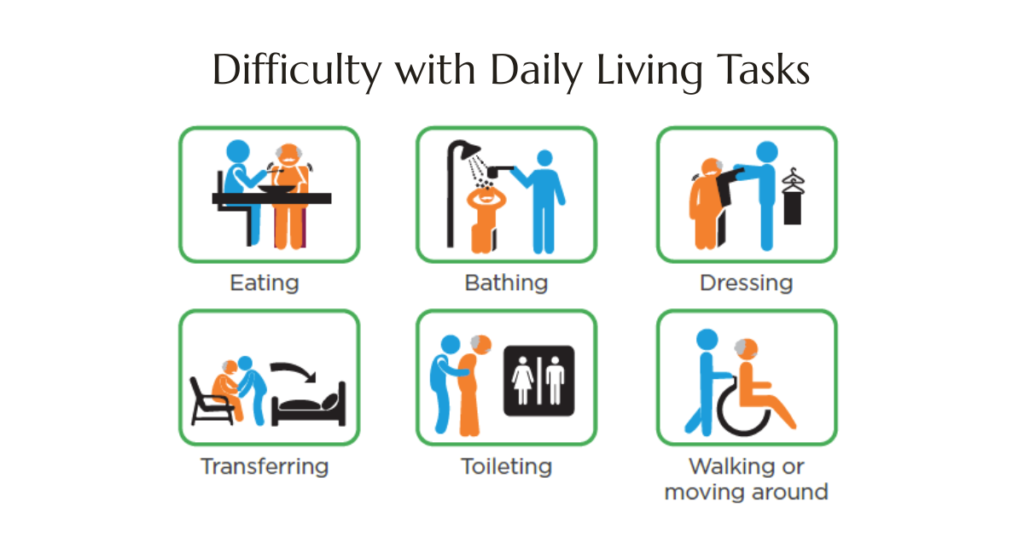
A significant indicator that your loved one may need increased care support is trouble with activities of daily living (ADLs). These include tasks such as:
- Bathing and grooming
- Dressing
- Preparing meals
- Managing personal hygiene
If your loved one struggles to complete these tasks or requires consistent assistance, it may be time to seek professional support to help them maintain their independence and comfort.
2. Frequent Falls and Mobility Issues

Falls are a major concern for older adults and can signal a decline in mobility. If your loved one has been:
- Experiencing frequent falls
- Hesitant to move due to fear of falling
- Displaying unsteady walking or poor balance
These indicate the need for increased care support. Ensuring their safety through mobility aids or professional assistance can prevent injuries and enhance their quality of life.
3. Neglecting Hygiene and Home Environment

Neglecting hygiene and the home environment is a critical sign that your loved one may need more support. Look for signs such as:
- Lack of personal grooming
- Wearing dirty clothes
- Unattended household chores (dirty dishes, cluttered spaces)
- Spoiled food or piles of mail
If these issues arise, your loved one is likely struggling to manage their daily routines, making increased care support essential to help them regain control.
4. Memory and Cognitive Decline
Cognitive changes are common in ageing adults. If your loved one is experiencing:
- Forgetfulness or confusion
- Difficulty following conversations
- Disorientation or repeated questions
These signs may indicate a decline in cognitive function, such as early-stage dementia or Alzheimer’s disease. Increased care support can include help with managing daily routines, memory aids and even specialised care for cognitive conditions.
5. Behavioural and Emotional Changes
A shift in behavior and emotional well-being is another important sign that more care may be required. If your loved one is showing:
- Increased irritability or mood swings
- Withdrawal from social activities and relationships
- Anxiety, depression or unexplained emotional outbursts
These changes often accompany physical declines and should be addressed with the help of healthcare professionals. Increased care support can provide the emotional care needed to help them navigate these challenges.
6. Medication and Financial Mismanagement
As individuals age, they may struggle to manage medications or finances. If your loved one is:
- Forgetting to take medications or taking incorrect doses
- Missing medical appointments
- Struggling to manage finances or neglecting to pay bills
These signs indicate that they may need assistance with managing their health and financial responsibilities. Increased care support can include medication management, bill payment assistance and more.
7. Caregiver Burnout
Caring for a loved one can be rewarding but exhausting. If you’re feeling overwhelmed, stressed, or physically drained by caregiving duties, consider increased care support. Signs of caregiver burnout include:
- Increased frustration or irritability
- Lack of sleep and personal time
- Physical exhaustion or stress-related health issues
A professional caregiver can alleviate some of the stress, providing both you and your loved one with the support needed for everyone’s well-being.
The Role of Professional Nursing Care
When the signs of decline become more challenging to manage, professional nursing care offers a higher level of support. Nursing care can help with daily living activities, health monitoring, medication management and emotional support. If your loved one requires increased care support, seeking professional care may be the next step.
At Marian House, we specialise in providing nursing care for individuals with complex health needs. Our professional nursing care team can help with everything from personal care to health management, ensuring your loved one receives the best possible support.
For more information about nursing care in Birmingham—and how Marian House can support your loved one
Learn more about nursing care in Birmingham and how Marian House can support your loved one, get in touch today.
Conclusion
Recognising the signs that your loved one needs increased care support is crucial for ensuring their safety and quality of life. From difficulty with daily tasks to cognitive decline, these signs indicate that it may be time to seek a professional nursing care home near you. Early intervention can prevent further complications and improve your loved one’s well-being.
If your loved one is showing signs of decline and needs more support, Marian House offers professional nursing care to meet their unique needs. Our compassionate team is dedicated to providing high-quality care in a safe and supportive environment.
For more information, contact us and see how we can help.
FAQs
Signs include difficulty with daily tasks, memory loss, frequent falls, poor hygiene and changes in behavior.
Consider professional nursing care when daily tasks become overwhelming or if your loved one has health conditions that require specialised attention.
Support includes assisting with daily activities, monitoring medications, ensuring safety and providing emotional care.
Increased care support includes help with daily living tasks, medical monitoring, medication management and emotional and social support.
Yes, Marian House offers professional nursing care for individuals with complex health needs, ensuring personalised support and safety.