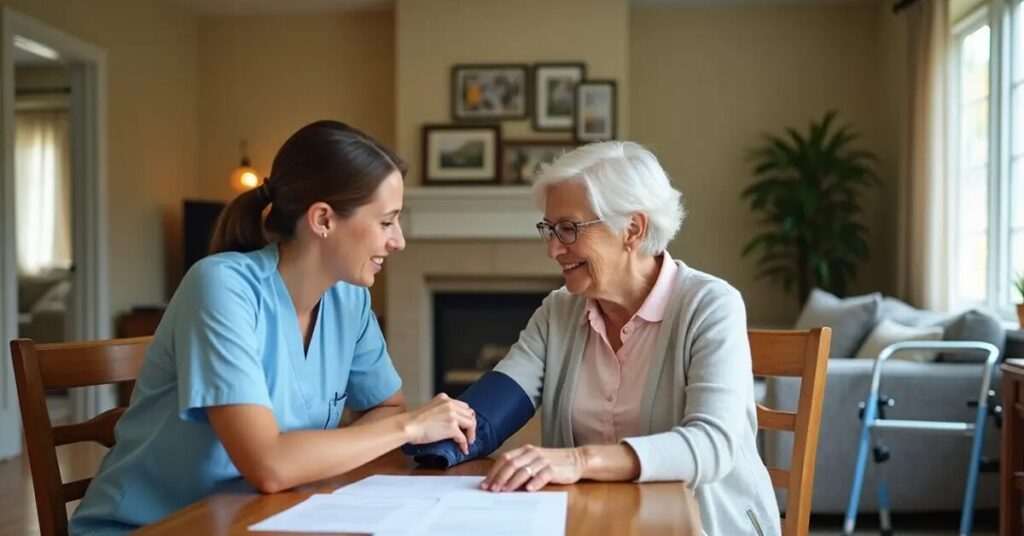
As our loved ones age, it becomes essential to ensure they receive the care and support they deserve. In the UK, elderly nursing care is not just about providing assistance with daily tasks; it’s about ensuring that our older relatives maintain their dignity, independence and quality of life.
Understanding the various aspects of elderly nursing care can feel overwhelming, but with the right knowledge and support, families can make informed decisions that best suit the needs of their loved ones.
This blog will walk you through the process of understanding elderly nursing needs, including the importance of care assessments, working alongside healthcare professionals and making decisions between home care and a nursing home in Birmingham.
1. Initial Assessment & Support

The journey to understanding elderly nursing needs begins with the Care Needs Assessment. This is the first step in identifying what care is required and how it can be funded.
- Contact Local Council: You can request a free Care Needs Assessment from your local authority’s adult social services.
- GP Involvement: It’s vital to speak with your loved one’s GP if there are any concerns about their health, such as sudden confusion, memory loss or a noticeable decline in physical ability.
- Age UK: Age UK offers wonderful support and guidance for families in need. Their resources can help you understand the options available for elderly care and offer advice on navigating the process.
2. Key Areas of Elderly Nursing Needs & Care
Caring for elderly relatives involves addressing several core areas to ensure they remain safe, healthy and comfortable. Each person’s needs will vary, but these are the key areas that should always be considered.
- Personal Care: This includes assistance with activities such as washing, dressing, toileting and managing continence. This support is essential in helping your loved one maintain their independence and dignity.
- Medical & Health: Managing ongoing health conditions, medications and chronic illnesses is a crucial part of nursing care. Ensuring your loved one has access to the necessary medical support, including GP visits, is vital.
- Safety at Home: At home, small changes such as installing grab rails, improving lighting and ensuring safe mobility can help reduce the risk of falls and accidents. Home modifications can make a world of difference in preventing injuries.
- Nutrition & Hydration: A balanced diet is key to maintaining overall health. Ensuring your loved one receives proper nutrition and hydration helps manage their health conditions and supports their well-being.
- Mobility & Activity: Encouraging gentle physical activity is important for maintaining mobility. Care staff can assist with movement, ensuring that your loved one remains active, which helps prevent further decline in health.
- Companionship & Mental Well-being: Emotional and mental well-being are just as important as physical health. Regular social engagement and mental stimulation help prevent feelings of loneliness and depression. Whether through family visits or organised activities, it’s important to ensure your loved one remains connected to others.
3. Deciding on Care: Home vs. Care Home
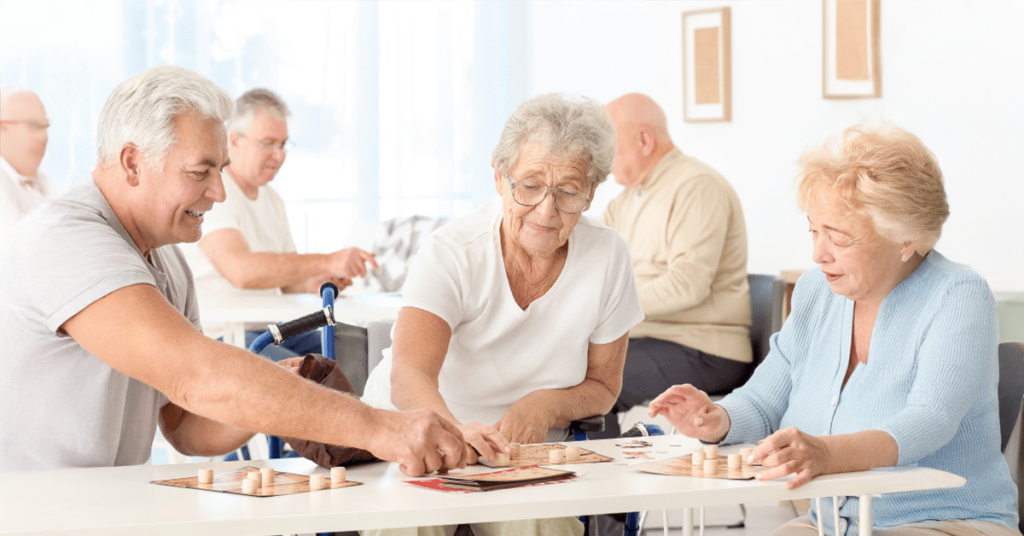
One of the biggest decisions families face is whether to provide care at home or move a loved one into a care home. Both options have their merits and it’s important to consider your loved one’s unique needs.
- At Home: For those who wish to remain in the comfort of their own home, a range of support options is available. Home care services can range from occasional visits to full-time live-in care, assisting with personal care and medication while allowing the individual to maintain as much independence as possible.
- Care Homes: If your loved one has more complex needs that cannot be managed at home, a care home in birmingham may be the best option. When choosing a care home, always check the CQC ratings to ensure the home meets the standards required for high-quality care. Additionally, ask about the staff-to-resident ratio, medical support and the type of activities offered.
4. Key Principles for Families

When it comes to elderly care needs, several guiding principles can help families navigate the journey:
- Person-Centred Care: This approach ensures that care is tailored to the individual’s unique preferences, values, and choices. By focusing on what matters most to your loved one, you help preserve their dignity and well-being.
- Involve the Elder: The elderly person must be actively involved in decisions about their care. This keeps them central to the process, ensuring that they feel respected and empowered in the decisions that affect their lives.
- Family’s Role: Families play a crucial role in the care process. It’s essential to assess your own capacity to provide support and communicate openly with healthcare providers.
5. Specific UK Resources
In the UK, there are several resources available to help families navigate the complex world of elderly care:
- NHS: The NHS provides valuable information about social care assessments, funding options, and the various support services available. Understanding the eligibility criteria and how to apply for assistance can simplify the process.
- CQC: The Care Quality Commission (CQC) inspects and rates care homes in the UK. This offers families peace of mind, knowing that the care home they choose meets national standards of care.
What Is a Nursing Care Plan in a Care Home? A Guide for Families
A nursing care plan is an essential tool used to ensure that every resident in a care home receives personalised and effective care. It’s a document created by trained nurses following a thorough assessment of the person’s physical health, medical conditions, mobility, nutrition, medication, and emotional well-being.
What Does a Nursing Care Plan Include?
- A full nursing assessment of medical and personal needs.
- Medication management and monitoring.
- Mobility and fall prevention strategies.
- Nutrition and hydration needs.
- Daily routines and personal care preferences.
- Mental health and social needs.
- Family input and preferences.
- Health risks and safeguarding plans.
- Personalised goals for independence and well-being.
A Partnership with Families
Families play an integral role in creating a care plan, as they often know their loved one best. By sharing their insights, such as preferences for daily routines or emotional triggers, families ensure that the plan is as personal and meaningful as possible.
Conclusion: Ensuring Comfort and Dignity in Later Life
Understanding the nursing needs of the elderly is a compassionate process that focuses on preserving their dignity, independence and well-being. By understanding the key areas of care, involving healthcare professionals like GPs and staying involved in the decision-making process, families can ensure their loved ones receive the best possible care.
For those seeking personalised and professional nursing care in a supportive environment, Marian House offers dedicated care that respects the unique needs of every resident. To learn more about our nursing care support, explore Nursing Care in Birmingham.
FAQs
A Care Needs Assessment is a free evaluation conducted by your local council to determine the type of care and support your loved one needs.
Look for care homes that are rated by the Care Quality Commission (CQC). Check their reviews, staff-to-resident ratio and medical services to ensure they meet your loved one’s needs.
Yes, financial assistance may be available through local councils or NHS-funded care, depending on your loved one’s health and financial situation.
Nursing care plans are reviewed regularly to reflect any changes in health or care needs, ensuring that the resident always receives the appropriate level of care and support.
Person-centred care focuses on the individual’s preferences, values and choices, ensuring that all care decisions respect the person’s dignity and promote their independence.